Why This Community Sports Facilities Fund Round Matters for Athletics Clubs
Building the Future of Grassroots Athletics in Ireland
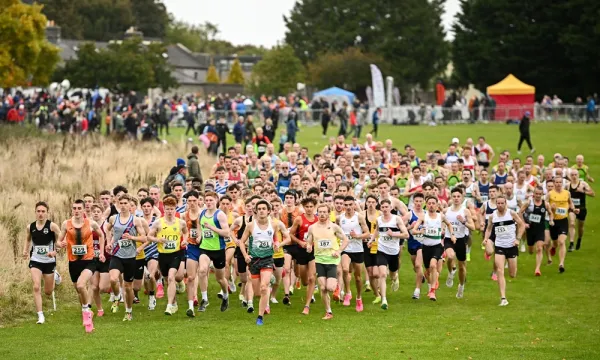
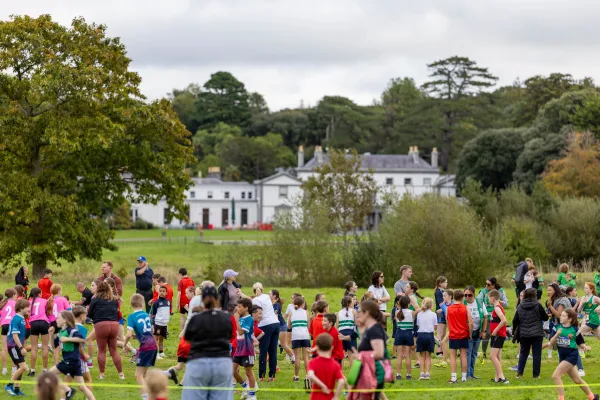
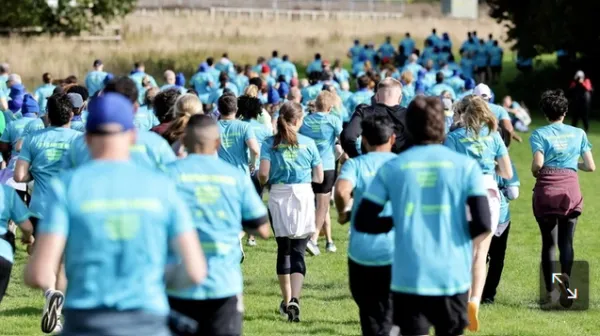
Across Ireland every evening, athletics clubs are providing opportunities for thousands of children, teenagers and adults to participate in sport within their local communities.
From juvenile training sessions on grass fields to floodlit track sessions, cross country training, recreational running groups and national competition preparation, grassroots athletics clubs continue to play a hugely important role within Irish sport.
But behind every successful athletics club is one common challenge:
Facilities.
For many clubs, existing infrastructure is under increasing pressure due to:
• growing membership numbers
• waiting lists
• increased participation among women and girls
• lack of winter training capacity
• outdated lighting systems
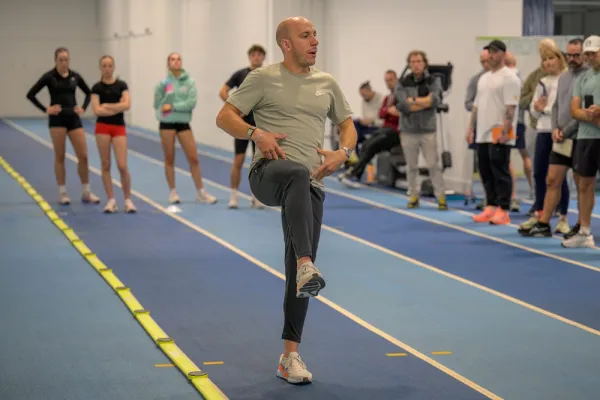
• limited indoor training provision
• insufficient field event facilities
• accessibility challenges
• shared facility pressures
This is why the upcoming Community Sports Facilities Fund (CSFF) represents such an important opportunity for athletics clubs across the country.
A Major Opportunity for Athletics Clubs
The upcoming CSFF round is expected to be one of the most accessible funding rounds to date.
Key updates communicated by the Department include:
• No match funding required at application stage
• No lease or land ownership requirement at initial application stage
• Strong encouragement for collaboration with schools and communities
• A new online application platform replacing OSCAR
• Simplified document upload and application processes
The message from the Department has been clear:
“Apply for something.”
For athletics clubs, this creates opportunities not only for major developments, but also for smaller strategic facility upgrades that can significantly improve participation and long-term sustainability.
What Type of Athletics Projects Could Be Supported?
Athletics clubs should begin thinking strategically now about both immediate needs and long-term development plans.
Potential athletics projects may include:
• Synthetic track developments
• Floodlighting upgrades
• Indoor training facilities
• Field event area improvements
• Throws cages and safety infrastructure
• Long jump and high jump facility upgrades
• Community athletics hubs
• Shared school-community developments
• Accessibility improvements
• Storage and equipment facilities
• Walking/jogging track developments
• Strength & conditioning spaces
• Multi-use athletics and fitness facilities
Importantly, clubs do not need to have every element fully finalised before beginning preparations.
The key priority at this stage is planning.
Collaboration Will Be Increasingly Important
One of the strongest themes emerging from Department discussions has been collaboration.
Athletics clubs should actively engage with:
• primary schools
• secondary schools
• local authorities
• community organisations
• disability groups
• recreational activity groups
• neighbouring sports clubs
The future of sports infrastructure will increasingly centre around shared community usage and maximising participation opportunities.
For athletics clubs, schools partnerships may provide:
• shared facility access
• stronger community impact evidence
• increased participation opportunities
• stronger application narratives
• long-term sustainability models
Importantly, collaboration does not mean clubs lose identity or control.
Rather, it demonstrates broader community value.
Athletics Clubs Are Community Anchors
Athletics clubs provide far more than competition opportunities.
Every week across Ireland, clubs are:
• improving physical and mental wellbeing
• creating safe environments for young people
• developing volunteers and community leaders
• supporting inclusion and accessibility
• connecting generations within communities
• increasing lifelong participation in sport and physical activity
Athletics is also unique in its ability to engage participants across all age groups — from juvenile athletics through to masters participation.
This community impact matters greatly within funding applications.
Preparation Will Be Key
The strongest applications will likely demonstrate:
• clear community need
• strong governance structures
• evidence of participation demand
• long-term sustainability
• collaboration and partnership
• strategic planning
• realistic project delivery models
Clubs should begin preparing now by reviewing:
• governance documentation
• constitutions and compliance
• tax clearance status
• land or facility arrangements
• membership trends and waiting lists
• school/community partnerships
• project cost estimates
• facility masterplans
Even clubs considering future phased developments should begin conversations early.
Building the Future of Athletics
This funding round presents a significant opportunity for athletics clubs to think beyond short-term pressures and begin shaping long-term sustainable facilities for future generations.
Whether it is:
• a rural club upgrading floodlighting
• a community developing a new synthetic track
• a shared school-athletics partnership
• an indoor training facility
• or improved field event infrastructure
every investment at grassroots level strengthens the future of athletics nationally.
The future success of athletics in Ireland will depend heavily on the strength of local clubs and the facilities available within communities.
Now is the time for clubs to plan, engage locally and prepare.
Because when grassroots athletics grows stronger, the entire sport grows stronger alongside it.
For more: Email – DermotMcGranaghan@athleticsireland.ie
| Kind regards Dermot Mc Granaghan National Club Development Manager | |
| Athletics Ireland | |
| Unit 19, Northwood Court | |
| Northwood Business Campus Santry, Dublin 9 | |
| t: +353 85 871 2397 | |
| m: +353 1 886 9933 | |
| e: dermotmcgranaghan@athleticsireland.ie | |