Gerard O’Donnell never intended to become a coach. He knew it wasn’t a career path that would pay well, and despite his efforts to stay away, including pursuing an undergraduate degree in a different field, The pull of athletics proved too strong.
The 36-year-old boasts nine national titles in the short hurdles and was still competing as recently as last year, finishing second at the national championships.
The Leitrim native began coaching with Dublin Sprint founder Jeremy Lyons in 2019, having been part of the training group as an athlete for several years. His leadership qualities quickly became apparent to his mentor.
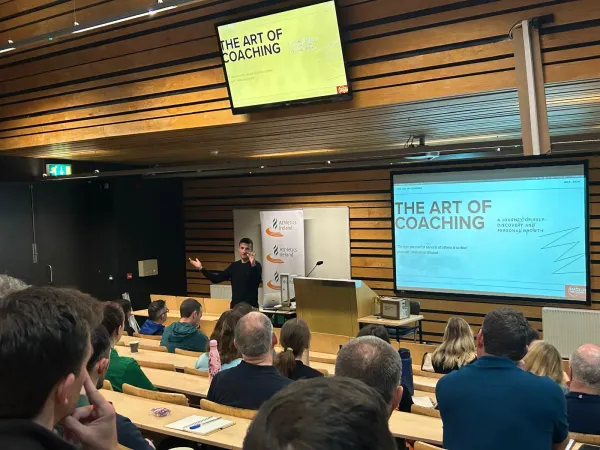
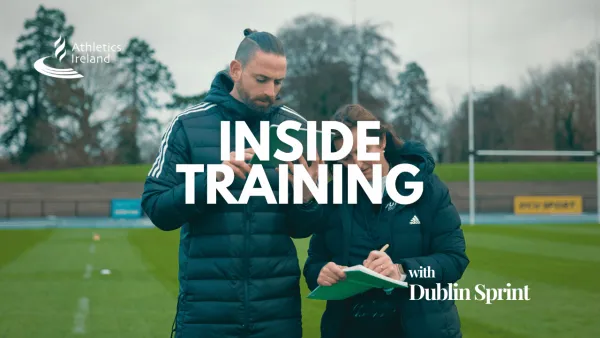
“It was something I never wanted to get into. I always said I wasn’t going to be a coach. I trained as a physical therapist while I was still trying to be a top-level athlete because I was like, when I pack it in, I want to be still around the track and involved with athletes,” O’Donnell said on Athletics Ireland’s Inside Training series on YouTube.
“I know that’s not going to be coaching because coaching is not a job in Ireland,” he added, “So, why would I try and do that? And then here I am now. But even with my club at home, I would have been a bit older than some of the athletes I was training with in my early 20s.
“I was kind of leading stuff on things around then. And then Jeremy noticed that with me when I was training, that I was kind of leading through warm-ups and stuff like that and kind of taking on a bit more responsibility.
“I did a master’s in UCD in coaching science. So, I suppose that kind of got the ball rolling.”
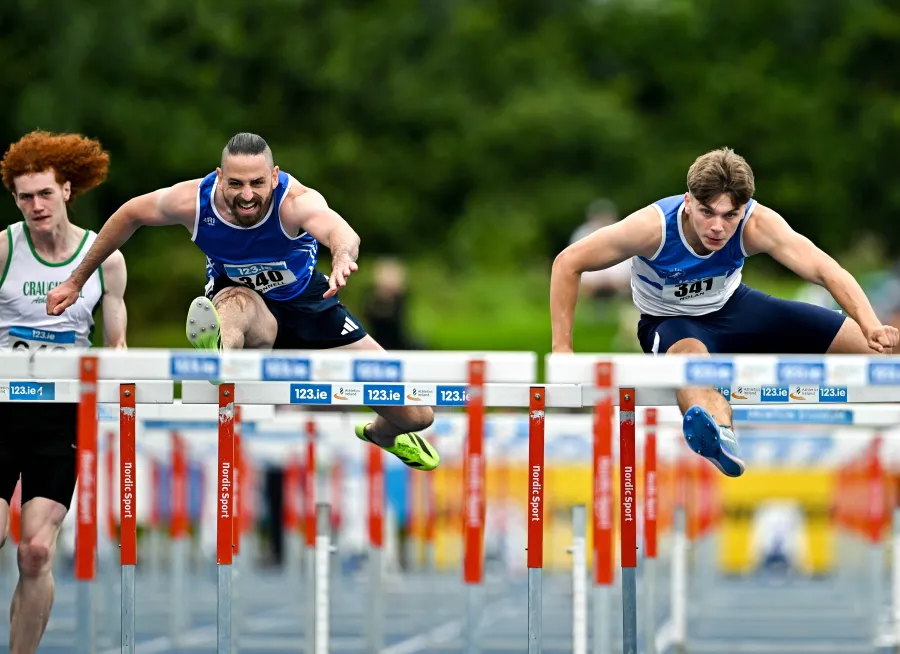
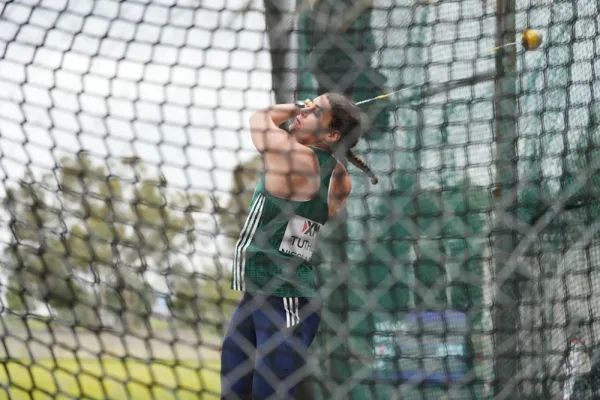
Gerard O'Donnell finished second at the national championships in 2025 despite his focus now being on coaching
Dublin Sprint’s numbers have fluctuated over the years, but the high-performance training group currently consists of around 16 athletes.
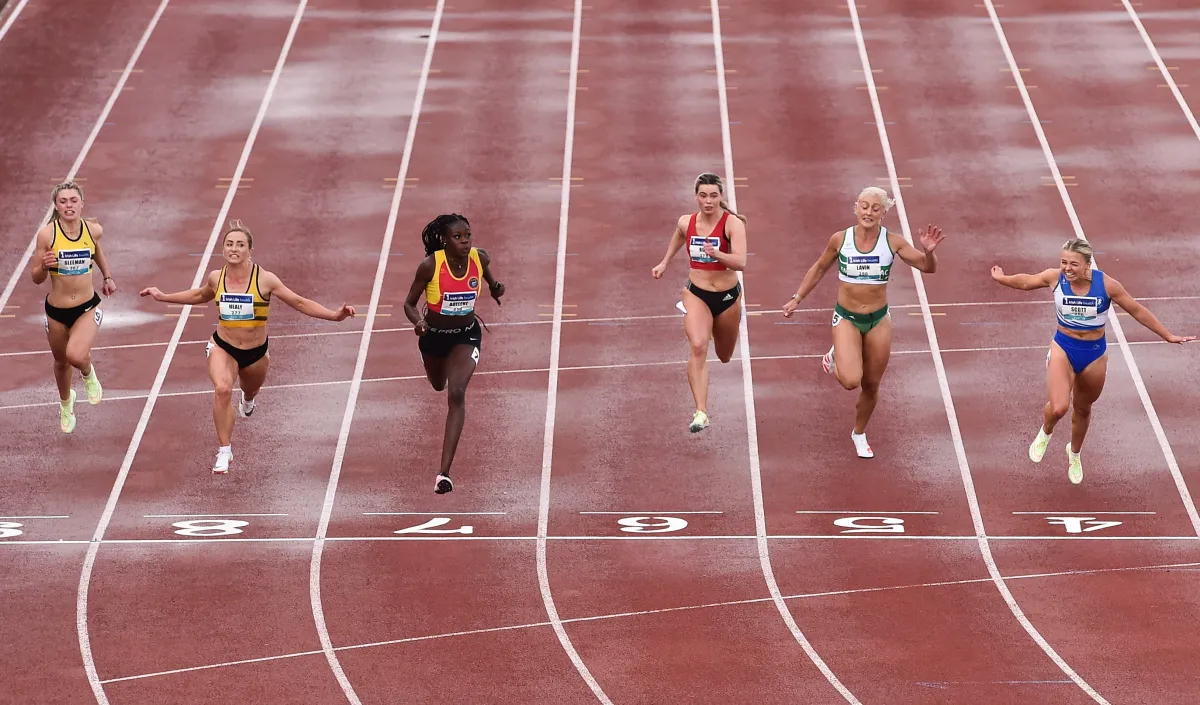
It includes several established international performers, such as Olympians Sophie Becker, Cillín Greene and Jack Raftery.
O’Donnell acknowledged that managing a sprint group of this size can be demanding, particularly during the competitive phase of the season.
The workload has increased further since Lyons stepped away following the 2024 Olympics to focus on grassroots development, leaving the programme with two coaches.
O’Donnell runs the group alongside former hurdler Aideen Sinnott who also joined the set-up in 2019, and together they oversee the planning, scheduling and day-to-day management of the athletes.
“We’ve 16 at the minute… We’ve had probably 21, 22 at times. And that’s when we had the three coaches.
“Throughout the winter, say Monday, Thursday, Saturday, there might only be a variation of two sessions, maybe, with the short sprinters doing one and the long sprinters doing another.
“But when it comes to indoor season and especially outdoors, there could be nine people at training and it’s eight different sessions because somebody has raced two days before, somebody’s racing in two days’ time.
“Everyone’s schedule changes, it can get hectic then… You find out at that stage that you have too much to handle. We try and keep it that everyone can get enough attention that we can get the best out of them.”
O’Donnell is a strong advocate of hands-on coaching and believes consistent presence on the track is essential to athlete development and performance.
“The thing about coaching, you just have to do it. You just have to show up every day that we do it. You can’t just be sitting at the laptop and writing out notes.
“You just have to be burning the ear off people, watching what other people are doing. But you do need to be on the track, watching the athletes day in and day out, because that’s where all the money is made, that’s where you need to make all your adjustments.
“The remote coaching side of things, for me, just doesn’t work. For sprinters especially, because it’s such technical work that everything needs to be… The majority of time, it’s to show up to the track to tell them to do less or to slow down rather than the opposite.”
The 2025 season marked a breakthrough year for Dublin Sprint, with Becker, Greene and Raftery all selected for relay duty at the World Championships in Tokyo. A first for the group.
O’Donnell also received recognition for his coaching contributions, leading both the women’s and mixed 4x400m relay teams at the championships.
Looking ahead, 2026 is set to offer further opportunities on the international stage, with the World Indoor Championships in March and the European Championships in Birmingham in August expected to be the primary targets.
O’Donnell explained that the emphasis will fall on peaking later in the year, with a long outdoor season shaping overall planning.
“In terms of actual goals for the year, most of the goals will be for the outdoor season. So we want to be ready to run fast at all times.
“Indoors throughout that season, people will dip into a few races here and there, see how it goes, but not really be too disappointed if things aren’t where they need to be. It’s a long summer ahead.”
You can watch the full Inside Training episode with Dublin Sprint on the Athletics Ireland Youtube channel from 7PM on Tuesday 20 January HERE.
You can follow Dublin Sprint on Instagram HERE.